
Multiple Sclerosis (MS) and other demyelinating disorders are chronic neurological conditions that affect the protective covering (myelin) of nerve fibers in the brain and spinal cord. Damage to myelin disrupts the normal transmission of nerve signals, leading to a wide range of neurological symptoms. Early diagnosis and structured long-term management are essential to slow disease progression and maintain quality of life.
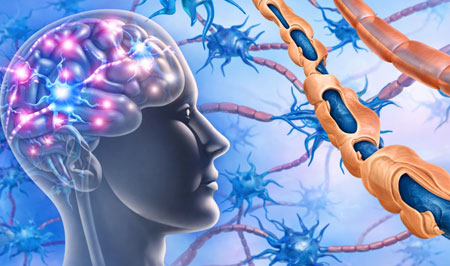
Under the specialized care of Dr. Manish Salunkhe, patients receive comprehensive evaluation, accurate diagnosis, and individualized treatment plans for multiple sclerosis and related demyelinating conditions. The goal is to reduce relapses, manage symptoms effectively, and prevent long-term disability.
Symptoms may vary depending on the location and severity of nerve damage, but commonly include:
Symptoms may occur in episodes (relapses) followed by partial or complete recovery, or may gradually worsen over time.
Accurate diagnosis requires detailed neurological assessment and specialized investigations, including:
Early detection allows timely initiation of disease-modifying therapies, which can significantly reduce relapse frequency and disease progression.
Management of MS and demyelinating disorders includes disease-modifying medications, treatment of acute relapses, and symptomatic therapy for pain, stiffness, fatigue, and mobility challenges. Rehabilitation, physiotherapy, and lifestyle modification are important components of comprehensive care.
Dr. Manish Salunkhe emphasizes individualized treatment strategies based on disease type, severity, patient age, and overall health condition. Continuous monitoring and regular follow-up are essential to assess response to therapy and adjust treatment when necessary.
With advanced training in Neurology and extensive experience in managing complex neurological disorders, Dr. Manish Salunkhe provides structured, evidence-based care for patients with multiple sclerosis and other demyelinating diseases. His approach focuses on early intervention, long-term disease control, and improving functional independence.
Early diagnosis and consistent neurological care can significantly improve outcomes in demyelinating disorders. If you experience unexplained neurological symptoms, seek timely specialist consultation for proper evaluation and management.