
Carotid and intracranial artery narrowing is a serious condition that can significantly increase the risk of stroke. When major blood vessels supplying the brain become narrowed due to plaque buildup (atherosclerosis), blood flow to the brain is reduced, increasing the likelihood of clot formation and brain damage. Early diagnosis and timely intervention are essential to prevent life-threatening complications.
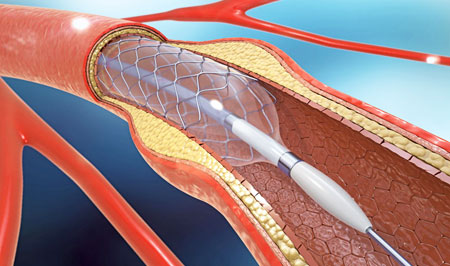
Under the expert neurological guidance of Dr. Manish Salunkhe, patients with carotid or intracranial artery stenosis receive comprehensive evaluation, risk assessment, and advanced stroke prevention planning. Carotid and intracranial stenting are minimally invasive procedures designed to restore proper blood flow to the brain and reduce the risk of recurrent stroke.
The carotid arteries, located on either side of the neck, supply oxygen-rich blood to the brain. Narrowing of these arteries due to cholesterol plaque can lead to:
Early identification through vascular imaging can significantly reduce stroke risk.
Intracranial stenosis refers to narrowing of arteries located inside the brain. This condition is a major cause of recurrent strokes, especially in patients with uncontrolled blood pressure, diabetes, or high cholesterol.
Proper neurological assessment helps determine whether medical therapy alone is sufficient or if stenting may be beneficial.
Comprehensive evaluation may include:
These investigations help determine the severity of narrowing and guide appropriate treatment decisions.
Carotid or intracranial stenting is a minimally invasive endovascular procedure performed by specialized neuro-interventional teams. A small mesh tube (stent) is placed within the narrowed artery to keep it open and restore adequate blood flow to the brain.
Dr. Manish Salunkhe plays a crucial role in patient selection, neurological evaluation, pre-procedure planning, and post-procedure follow-up. In many cases, aggressive medical management including antiplatelet therapy, cholesterol control, blood pressure management, and lifestyle modification is also emphasized as part of long-term stroke prevention.
With advanced training in Neurology and extensive experience in stroke care, Dr. Manish Salunkhe provides structured management for patients at high risk of stroke. His approach focuses on early detection, risk factor optimization, coordinated multidisciplinary care, and long-term neurological monitoring.
Timely intervention and expert neurological guidance can significantly reduce the risk of stroke and improve long-term brain health. If you experience stroke symptoms or have been diagnosed with arterial narrowing, seek specialist evaluation without delay.