
Headaches are one of the most common neurological complaints, but when they become frequent, severe, or persistent, they can significantly affect quality of life. Chronic headaches and migraines are not just “regular headaches” — they are medical conditions that require proper diagnosis, evaluation, and long-term management.
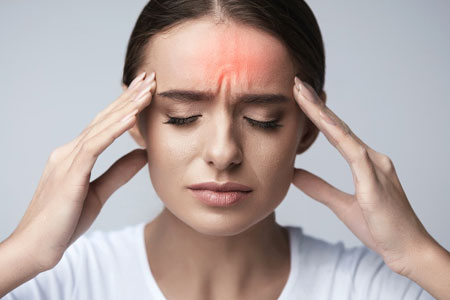
Migraine is a neurological disorder characterized by recurrent episodes of throbbing head pain, often accompanied by nausea, vomiting, light sensitivity, or sound sensitivity. Chronic headaches are defined as headaches occurring on 15 or more days per month for at least three months. Early neurological consultation helps identify the type, trigger, and severity of the condition.
Symptoms may vary from person to person, but commonly include:
Ignoring frequent headaches may lead to worsening symptoms, medication overuse, and reduced productivity in daily life.
Identifying triggers is a crucial part of migraine management. Some common triggers include:
You should seek neurological evaluation if:
Proper clinical assessment may include neurological examination and, when required, imaging studies to rule out secondary causes.
Management of chronic headaches and migraines involves a combination of acute pain relief, preventive therapy, lifestyle modification, and trigger management. Treatment plans are tailored based on the type of headache, frequency, patient history, and associated medical conditions.
With advanced training in Neurology and a strong academic background, Dr. Manish Salunkhe emphasizes evidence-based treatment, accurate diagnosis, and long-term preventive strategies. His approach focuses not only on symptom control but also on improving overall neurological health and quality of life.
Through structured evaluation, medication planning, counseling, and lifestyle guidance, patients can achieve significant reduction in headache frequency and intensity.
Remember: Persistent headaches are not normal. Early consultation and appropriate neurological care can help you regain control and live pain-free.