
A stroke is a medical emergency that occurs when blood supply to a part of the brain is suddenly interrupted or reduced. Without timely treatment, brain cells begin to die within minutes. Recognizing the early warning signs of stroke and acting immediately can significantly improve recovery and prevent long-term disability.
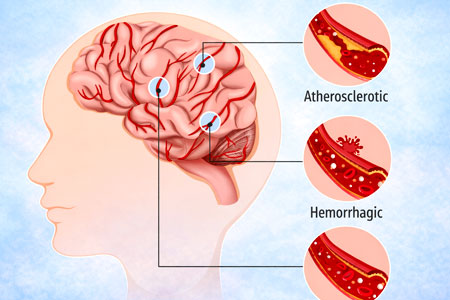
Stroke can affect anyone—regardless of age—but individuals with high blood pressure, diabetes, heart disease, high cholesterol, or a history of smoking are at higher risk. Quick medical attention is crucial. The earlier the treatment begins, the better the outcome.
The easiest way to remember stroke symptoms is the word FAST:
Other symptoms may include:
In many cases, stroke treatment is time-sensitive. Certain clot-busting medications and interventional procedures are most effective when given within a few hours of symptom onset. Delayed treatment can result in permanent brain damage, paralysis, speech problems, or even loss of life.
That is why early recognition and rapid neurological evaluation are essential.
You may be at increased risk of stroke if you have:
Regular health check-ups and proper management of these conditions can significantly reduce stroke risk.
With advanced training in Neurology and extensive clinical experience, Dr. Manish Salunkhe focuses on early diagnosis, evidence-based stroke management, and long-term neurological rehabilitation. His approach combines clinical precision with patient-centered care, ensuring that every patient receives timely evaluation and comprehensive treatment.
From emergency stroke assessment to preventive care and risk-factor management, the goal is always to protect brain health and improve quality of life.
Remember: Stroke is preventable and treatable—but only if recognized early. Never ignore sudden neurological symptoms. Acting quickly can save a life.