
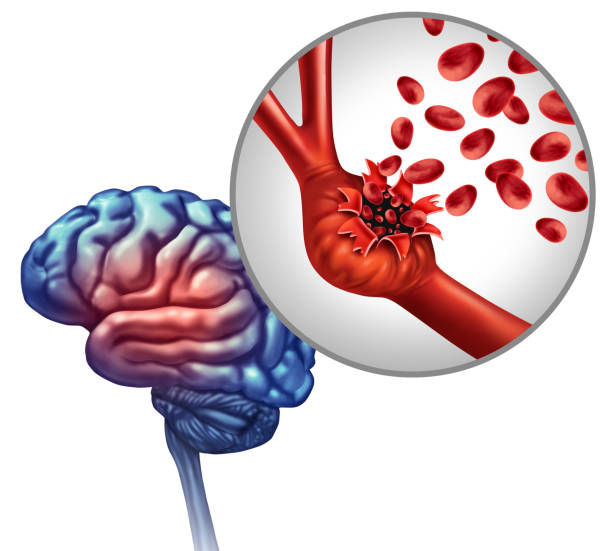
A brain aneurysm is a weak spot in the wall of a blood vessel that can occasionally burst and cause a subarachnoid haemorrhage. Imagine the thin, stretched sensation of a balloon's weak spot. It resembles an aneurysm in the brain.That portion of the blood vessel wears out and bulges, resembling a bubble, due to the constant blood flow. It has the potential to grow into a small berry.Most brain aneurysms don't cause symptoms or health problems, despite their ominous name.
It is possible to live a long life without ever realising it. However, regular exams with the Best Specialist for Brain Aneurysm in Vile Parle are essential for proper monitoring. Aneurysms can, however, occasionally burst, leak, or enlarge. Brain bleeding, also known as hemorrhagic strokes, is dangerous and needs to be treated right away.
A blood vessel problem that is present from birth may cause brain aneurysms.Smoking and high blood pressure raise the risk of a brain aneurysm.People are also more likely to develop an aneurysm if they have a first-degree relative with one.
The following hereditary disorders have been connected to brain aneurysms:
Aneurysms often form at the fork of blood arteries, where they split off, because those areas are usually weaker. Most of the time, they are found at the base of the brain. The Best Specialist for Brain Aneurysm in Vile Parle offers professional evaluations and personalized treatment plans to lower risks and ensure better brain health outcomes.
Brain aneurysms are more common in people over 40 and usually happen as people get older. Women are more likely than men to have aneurysms. Smoking and having high blood pressure are two things that make you more likely to get a brain aneurysm. But some other things in your medical history also make your chances higher. The Best Specialist for Brain Aneurysm in Vile Parle offers accurate diagnosis and cutting-edge treatment to help control the disease and lessen its effects.
Medical history
The following aspects of your medical history may be relevant:
A brain aneurysm rupture can be fatal and result in: