
Understanding the signs of a stroke is the first step toward preventing one. A stroke, also known as a "brain attack," occurs when a portion of the brain's blood supply is cut off. Brain cells die when they are not given the oxygen and glucose they need to survive. If a stroke is not identified in time, it may result in death or irreversible brain damage.
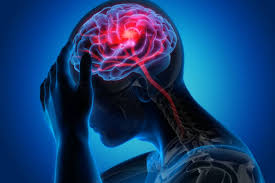
Stroke is the fifth most common cause of death in the United States. It also plays a significant role in disability. Consult the Best Neurologist for Stroke Treatment in Vile Parle to ensure timely diagnosis and effective stroke treatment.
An ischaemic stroke occurs in the blood vessels of the brain, much like a heart attack. Blood clots can form in blood vessels that supply the brain, blood vessels that travel to the brain, or even blood vessels that start in another part of the body and travel to the brain. These clots prevent blood from reaching the brain's cells.An excessive amount of plaque (fatty deposits and cholesterol) clogging the blood arteries in the brain can also result in an ischemic stroke. The abnormal heart rhythm known as atrial fibrillation (Afib) leads to the formation of clots in the heart. These clots have the potential to break free and reach the brain. Ischemic strokes are less frequently caused by coagulation disorders that people either develop or are born with. Ischemic strokes account for nearly 90% of all strokes.
Pronounced "heh-more-raj-ik," hemorrhagic strokes occur when a blood vessel in the brain bursts. The results include brain cell damage and blood seeping into the brain tissue. Brain aneurysms and high blood pressure are the most common causes of hemorrhagic stroke. An aneurysm is a weakening or thinning of the blood vessel wall. A brain tumour or cancer that starts in another part of the body and spreads to the brain can also cause hemorrhagic strokes. Getting stroke treatment from the Best Neurologist for Stroke Treatment in Vile Parle as soon as possible can hasten recovery and reduce complications.
The following are the most typical signs of a stroke:
A brief obstruction of blood flow to the brain is known as a micro stroke. It is also known as a transient ischemic attack, or TIA. The symptoms of a small stroke are the same as those mentioned above, but they only last a few minutes. To identify the cause and stop a big stroke in the future, speak with the Best Neurologist for Stroke Treatment in Vile Parle.
Drugs that disintegrate blood clots and stop new ones from forming are used to treat strokes. Tissue plasminogen activator (tPA), an emergency medication, breaks up clots that obstruct blood flow to the brain. For tPA to be effective, you must take it within three hours of the onset of stroke symptoms.
Anticoagulants and antiplatelet medications prevent platelets and blood cells from clumping together. These medications can be prescribed by your physician to help reduce your risk of stroke.
These treatments increase blood flow to the brain by clearing a clogged artery:
thrombectomy. A catheter is a thin tube that travels up to your neck or brain via an artery in your upper thigh. The clot is then captured, removed, and blood flow is restored by a device known as a stent retriever. stenting and angioplasty. A catheter is inserted into the damaged artery by the surgeon. After that, a thin mesh tube or balloon known as a stent is inserted into the artery to keep it open.
carotid endarterectomy. The blood vessels in your neck that carry blood to your brain are called carotid arteries. Seeing the Best Neurologist for Stroke Treatment in Vile Parle may assist guarantee a precise diagnosis, prompt intervention, and successful stroke prevention. This operation eliminates sticky plaque that is obstructing blood flow through a carotid artery.