
The purpose of carotid stenting is to improve blood flow by making narrow carotid arteries wider and keeping them that way. Stenosis can happen when plaque hardens and narrows the arteries. Plaque is a buildup of lipids, cholesterol, and other substances on the wall of an artery. As a result, blood flow gets harder. Treatments like carotid stenting can help blood flow by reopening the arteries. If a person is at a higher risk of having a stroke, they may need stenting even if they don't show any signs of carotid artery stenosis.Doctors usually recommend carotid stenting if a patient has 50% to 69% stenosis with symptoms or 70% to 90% stenosis without symptoms.
Speaking with the Best Doctor for Carotid Stenting in Vile Parle is essential for early detection and appropriate treatment because most people with carotid artery stenosis never exhibit any symptoms, according to a 2022 article.
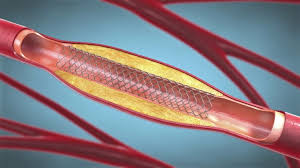
A stent is inserted during carotid stenting.
A local anesthetic will be administered before the surgery. Their doctor will also advise on what an individual can safely do before the procedure. This can involve deciding whether to continue taking their prescriptions and when to stop eating or drinking. The operation is meticulously prepared for safety when it is performed by The Best Doctor for Carotid Stenting in Vile Parle. A thin tube called a catheter is inserted by the physician through an artery in the groin.An X-ray is used to guide the tube to the stenotic carotid artery. The doctor then inflates a small balloon at the end of the catheter to widen the artery. A stent will then be put in to keep it open. To finish the procedure, they deflate and take the balloon out. The stent remains in place to keep the artery open and promote more efficient blood flow.
Following the procedure, the patient must lie down for approximately an hour in order to stop the artery bleeding. As they recover, patients treated by the Best Doctor for Carotid Stenting in Vile Parle receive expert care and close observation. Patients frequently need to stay in the hospital for one night after a carotid stenting procedure. This aids the medical staff in maintaining a stable heart rate and blood pressure as well as preventing the development of bleeding or stroke symptoms. After leaving the hospital, a patient may need to take blood thinners like aspirin or clopidogrel to reduce the risk of a stent blockage.
Carotid stenting carries potential hazards, just like any other operation. Not every person with carotid stenosis may benefit from it. A person's risk of stroke may increase if plaque breaks off during the operation. Surgeons can reduce this, though, by adding a tiny filter basket to collect shattered plaque fragments.A 2020 study found that after carotid stenting, people over 70 had the highest risk of stroke. The authors of the study found that most strokes linked to carotid stenting did not cause significant disability.Speaking with the Best Doctor for Carotid Stenting in Vile Parle can guarantee a safer course of treatment and a speedier recovery.